Why Baby Happy Font is Capturing Attention in Modern Design
In a digital landscape where visual communication plays a central role in brand identity and user experience, typography is more than just an aesthetic choice—it's a strategic tool. Among the growing list of fonts gaining traction in creative and commercial circles is Baby Happy, a neat and casual display font that blends clarity with a relaxed, approachable vibe. With its clean lines and friendly letterforms, Baby Happy is emerging as a go-to option for designers seeking to convey modernity without sacrificing warmth or personality.
Understanding Baby Happy: A Closer Look at the Font
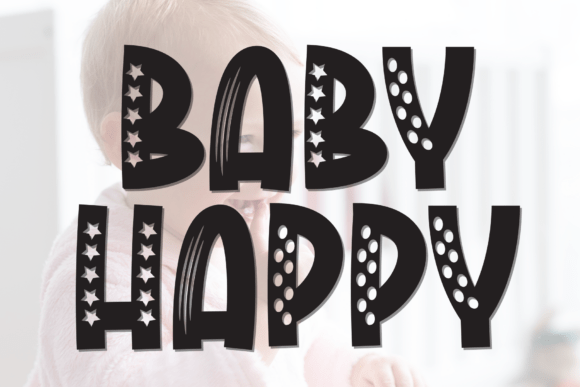
Baby Happy stands out for its ability to strike a balance between structure and charm. Unlike rigid, overly formal typefaces, it embraces a more organic and human feel. The font’s design incorporates subtle curves, open spacing, and a consistent rhythm that enhances readability while maintaining a playful tone. This makes it especially effective for applications where approachability and clarity are equally important.
Its versatility is another key strength. While primarily a display font, Baby Happy works well across a variety of formats—from headlines and posters to packaging and branding materials. Designers appreciate its adaptability to both print and digital environments, allowing for a cohesive visual language across different platforms.
The Rise of Casual Typography in Design Trends
Baby Happy’s growing popularity aligns with broader shifts in design preferences. Over the past few years, there has been a noticeable move away from stark minimalism toward more expressive, emotionally resonant aesthetics. Consumers are responding positively to brands that feel authentic, personable, and human—qualities that casual, friendly fonts like Baby Happy help convey.
This trend is particularly evident in branding for lifestyle, wellness, children’s products, and creative services, where warmth and relatability are key. As businesses aim to foster emotional connections with their audiences, typography has become a subtle but powerful vehicle for doing so. Baby Happy fits seamlessly into this narrative by offering a fresh alternative to more traditional sans-serif fonts that can sometimes feel cold or impersonal.
Why Designers and Brands Are Turning to Baby Happy
Several factors contribute to Baby Happy’s rising appeal among professionals in design, marketing, and entrepreneurship:
- Readability with Personality: In an age where attention spans are short, legibility is crucial. Baby Happy maintains clarity even at smaller sizes while still offering a distinctive character that sets it apart from generic typefaces.
- Adaptability Across Industries: Whether used for a boutique packaging label, a tech startup’s marketing campaign, or a social media graphic, Baby Happy adapts well to different contexts without losing its identity.
- Emotional Resonance: Its soft, rounded edges and open forms evoke a sense of friendliness and optimism—qualities that resonate well with audiences seeking comfort and positivity in their digital and physical experiences.
For freelancers and in-house designers, Baby Happy provides a reliable yet expressive option that can elevate a project’s tone without requiring extensive typographic expertise. Its intuitive design makes it accessible to both seasoned typographers and newcomers alike.
Practical Applications and Real-World Examples
Let’s explore how Baby Happy is being used in real-world design scenarios:
- Brand Identity: Startups and small businesses are increasingly adopting Baby Happy for logo design and brand collateral. Its clean yet personable appearance helps establish a modern, trustworthy image that appeals to younger demographics.
- Product Packaging: In the food, beverage, and lifestyle sectors, Baby Happy has found a niche in packaging design. Its legibility and warm tone make it ideal for labels, tags, and promotional materials that aim to feel handmade or artisanal.
- Web and App Interfaces: UI/UX designers are incorporating Baby Happy into digital experiences where a casual, approachable tone enhances user engagement. It’s particularly effective in onboarding screens, app buttons, and promotional banners.
- Marketing and Social Media: From Instagram stories to email headers, Baby Happy adds a touch of whimsy and professionalism in equal measure. Its visual appeal makes it a favorite among content creators looking to stand out in crowded feeds.
These examples illustrate how Baby Happy is not just a stylistic choice, but a functional one that supports a brand’s messaging and emotional tone.
Meeting Evolving Design and Consumer Expectations
As consumer expectations evolve, so too must the tools designers use to meet them. Today’s audiences value authenticity, simplicity, and emotional connection—values that are increasingly shaping the visual language of brands and digital experiences.
Baby Happy responds to these shifts by offering a typographic solution that feels both contemporary and comforting. In a world where users are bombarded with information and visuals, a font that can communicate warmth without sacrificing professionalism is a valuable asset. It allows designers to create content that feels intentional, human, and memorable.
Moreover, as remote work and digital collaboration become the norm, having a font that’s easy to work with and widely supported across platforms is essential. Baby Happy’s compatibility with major design tools and web standards ensures that it integrates smoothly into modern workflows, making it a practical choice for teams and individuals alike.
Looking Ahead: The Future of Casual Display Fonts
The growing demand for fonts like Baby Happy signals a broader movement in design toward emotional intelligence and user-centered aesthetics. As AI and automation continue to reshape creative workflows, the need for human-centric design elements—like expressive typography—will only become more pronounced.
Fonts that offer both functionality and emotional nuance will continue to rise in popularity, especially as brands seek to differentiate themselves in increasingly competitive markets. Baby Happy is well-positioned to be part of this evolution, offering a blend of modernity and warmth that resonates across industries and audiences.
Conclusion
Baby Happy is more than just a passing design trend—it’s a reflection of changing attitudes toward typography and visual communication. By combining clarity with a relaxed, approachable vibe, it meets the needs of today’s designers and consumers who value both style and substance. Whether used in branding, packaging, digital interfaces, or marketing materials, Baby Happy brings a sense of personality and warmth that enhances any project without overshadowing its message.
As we continue to navigate a visually driven world, fonts like Baby Happy remind us that typography is not just about legibility—it’s about connection. And in that sense, Baby Happy is not just a font, but a quiet revolution in how we communicate through design.