Creative Homemade: A Strategic Font Choice for Modern Design and Communication
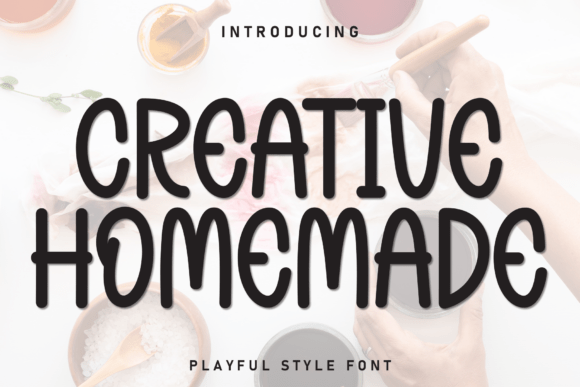
When it comes to typography, the right font can do more than just present information — it can shape perception, influence tone, and reinforce brand identity. Creative Homemade stands out as a display font that blends casual elegance with functional clarity. Its clean lines, balanced letterforms, and subtle rounded edges make it a versatile option for designers and communicators who want to convey warmth without sacrificing professionalism.
At its core, Creative Homemade captures the essence of modern handwritten typography while maintaining a polished finish. This makes it particularly useful for branding, headlines, packaging, and digital content where a friendly, approachable tone is desired. But beyond its aesthetic appeal, the font offers strategic value when used intentionally within a broader design or communication plan.
Why Creative Homemade Matters in Design Strategy
In today's visually driven marketplace, typography plays a critical role in how audiences interpret and engage with content. Creative Homemade strikes a balance between personality and precision, making it an ideal choice for brands looking to project authenticity without appearing unprofessional.
Consider the psychology of design: rounded edges and open letterforms tend to evoke feelings of approachability and trust. This is especially valuable in industries like education, wellness, and lifestyle, where emotional connection is key. When used strategically, Creative Homemade can help establish a brand voice that feels both modern and human-centered.
Use Cases That Maximize Impact
The versatility of Creative Homemade allows it to be effective across multiple platforms and mediums. Here are a few practical applications where the font can elevate your design:
- Brand Identity: Use it in logo design or taglines to communicate warmth and innovation.
- Marketing Materials: Ideal for social media graphics, email headers, and promotional banners where readability and tone matter.
- Product Packaging: Adds a personal, handcrafted feel that appeals to consumers looking for authenticity.
- Website Headlines: Helps create a welcoming first impression on landing pages or blog headers.
However, effectiveness depends on context. Creative Homemade works best when it aligns with your brand’s visual language and supports your communication goals. It’s not just about choosing a stylish font — it’s about choosing one that supports your message and audience expectations.
Planning for Long-Term Brand Consistency
Typography is a long-term investment in brand recognition. When incorporating Creative Homemade into your design system, consider how it will function across different touchpoints. Will it scale well on mobile devices? Does it maintain legibility in print materials? These are practical questions that can affect the font’s long-term viability.
Strategic font use also involves pairing. Creative Homemade pairs well with sans-serif typefaces like Open Sans or Montserrat, offering contrast while maintaining a cohesive visual tone. This combination supports both visual hierarchy and readability — essential elements in any content-driven design.
When to Choose (and When to Avoid) Creative Homemade
While Creative Homemade brings a distinctive charm, it’s not a one-size-fits-all solution. It excels in contexts where warmth and modernity are needed, but may not be suitable for highly formal or technical environments. For example, legal documents or financial reports may benefit from more traditional serif fonts that convey authority and formality.
Additionally, overuse can dilute impact. Reserve Creative Homemade for headlines, subheadings, or short bursts of text rather than long-form content. Its display nature makes it less ideal for extended reading, where legibility and spacing play a larger role.
Avoiding Common Pitfalls
One of the biggest risks in typography is using a font without a clear strategic purpose. Choosing Creative Homemade simply because it looks “cute” or “trendy” can lead to inconsistent branding and unclear messaging. Instead, align your font choices with your brand values and audience expectations.
Consider conducting A/B testing with different typographic treatments to see how your audience responds. This data-driven approach ensures that your design decisions are based on real-world performance rather than assumptions.
Integrating Creative Homemade into Your Design Workflow
For designers and content creators, integrating Creative Homemade into your workflow should be part of a broader strategy. Start by defining your communication goals and visual tone. Ask yourself:
- What emotion or impression should this design convey?
- Who is the target audience, and how do they perceive different typographic styles?
- How will this font function across different platforms and formats?
Once these questions are answered, you can make more informed decisions about where and how to apply Creative Homemade. Remember, typography is not just about aesthetics — it’s about clarity, connection, and consistency.
Final Thoughts: Typography as a Strategic Tool
Typography is often overlooked in strategic planning, yet it plays a foundational role in how your message is received. Creative Homemade offers a compelling combination of simplicity and charm, making it a valuable asset when used thoughtfully. Whether you're designing a brand identity, crafting a marketing campaign, or refining your website’s user experience, the right font can make a meaningful difference.
Ultimately, the key to success with Creative Homemade lies in intentionality. Don’t just use it because it looks good — use it because it supports your goals, aligns with your brand, and enhances your communication. By making deliberate choices, you can ensure that every design decision contributes to a stronger, more cohesive brand presence.