Samurai: A Strategic Font for Purposeful Design and Communication
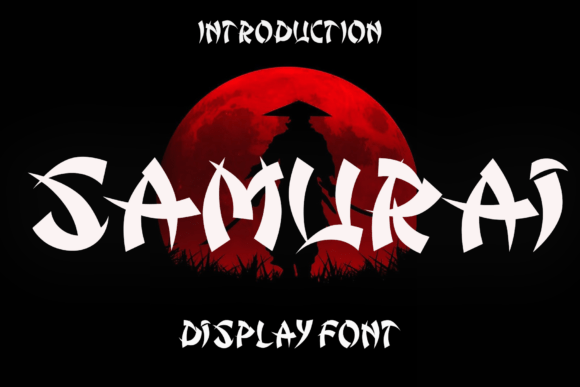
Samurai is more than just a font—it's a deliberate design choice that can elevate your visual communication. With a contemporary atmosphere and impeccable form, this font draws inspiration from timeless classic calligraphy while maintaining modern versatility. Its balanced and varied structure makes it a strong contender for projects that demand both elegance and clarity. But beyond its aesthetic appeal, Samurai offers strategic value when used with intention and context.
Why Samurai Stands Out in Design Strategy
In a world where visual clarity and brand recognition are essential, choosing the right font is a decision that shouldn't be left to chance. Samurai's refined structure supports a wide range of applications—from branding materials to editorial design—without sacrificing readability or impact. Its clean lines and subtle calligraphic influence allow it to convey professionalism while retaining a sense of artistry.
For marketers, creators, and entrepreneurs, the font becomes a tool not just for expression, but for alignment. When your typography supports your message rather than distracts from it, you create a more cohesive and persuasive experience for your audience.
Supporting Your Goals Through Thoughtful Typography
Typography is often an underutilized element in strategic planning. Yet, the fonts you choose can influence how your content is perceived. Samurai, with its structured elegance, is particularly effective when your goal is to communicate sophistication and clarity. Whether you're designing a presentation, crafting a logo, or laying out a brochure, this font can help reinforce the tone you're aiming for.
Consider using Samurai when your message needs to feel authoritative yet approachable. It works well in contexts where you want to avoid the overly formal tone of traditional serif fonts but still maintain a sense of gravitas. This makes it a strong candidate for professional services, creative portfolios, and brand identities that value both heritage and modernity.
When to Use Samurai—and When Not To
Strategic design is about choosing the right tool for the right job. Samurai excels in environments where a balance between tradition and modernity is desired. It’s well-suited for:
- Brand identities that seek a refined yet contemporary look
- Editorial design where readability meets visual appeal
- Presentation materials that require a professional yet engaging tone
- Creative portfolios and personal branding for artists, writers, and designers
However, it may not be the best fit for highly technical or minimalist contexts where absolute neutrality is required. In such cases, a more neutral sans-serif might be more appropriate. The key is to match the tone of your font to the tone of your message.
How to Approach Using Samurai Intentionally
Using Samurai effectively requires more than just installing it and setting it as your default. Consider these practical steps:
- Define your message first. What tone are you trying to convey? If it's sophisticated, thoughtful, or slightly artistic, Samurai could be a good match.
- Test across platforms. Ensure the font renders well on both print and digital formats, and that it remains legible at different sizes.
- Pair with complementary fonts. Samurai works best when used as a headline or accent font, paired with simpler typefaces for body text.
- Align with brand values. If your brand leans toward heritage, craftsmanship, or innovation, Samurai can help reinforce that identity visually.
By taking a deliberate approach, you ensure that your use of Samurai is not just stylistic, but strategic.
Planning for Long-Term Use and Consistency
Typography plays a quiet but powerful role in brand recognition and user experience. Once you've decided that Samurai fits your project, it's important to plan for consistency across all touchpoints. This includes digital assets, printed materials, presentations, and even internal communications.
Consider creating a simple style guide that outlines when and how to use Samurai. This ensures that everyone involved in your project—from designers to copywriters—uses the font in a way that aligns with your strategic goals.
Understanding the Risks of Unintentional Use
Like any design element, using Samurai without a clear purpose can lead to confusion or inconsistency. If applied without considering context, tone, or audience expectations, it may come across as mismatched or overly stylized. Avoid using it in situations where clarity and neutrality are more important than visual flair.
Also, be cautious about overusing it. While Samurai is versatile, it shines best when used selectively. Overuse can dilute its impact and make your design feel cluttered rather than refined.
Real-World Examples and Strategic Insights
Let’s look at a few practical scenarios where Samurai can make a strategic difference:
- A creative agency rebranding – Using Samurai in the new logo and marketing materials helps communicate a balance of creativity and professionalism.
- An independent publisher designing a book cover – Samurai’s calligraphic roots lend a sense of literary tradition while still feeling fresh and modern.
- A consultant creating a presentation deck – Choosing Samurai for headlines adds a layer of sophistication without compromising readability.
In each case, the font is not just decorative—it’s a deliberate part of the messaging strategy.
How Samurai Can Support Long-Term Results
Typography might seem like a small detail, but over time, consistent and strategic design choices build brand recognition and trust. By using Samurai with intention, you create a visual language that supports your long-term goals. Whether you're building a personal brand, launching a product, or refining your business communication, thoughtful typographic choices like Samurai can contribute to a more cohesive and compelling presence.
Ultimately, the value of Samurai lies not just in its beauty, but in how it helps you communicate more effectively. When used with clarity and purpose, it becomes a quiet but powerful ally in your design strategy.