Simplewriting: A Strategic Design Tool for Authentic Communication
Why Typography Matters in Modern Branding and Communication
In today’s visually driven marketplace, the choice of typography can significantly influence how your message is received. Simplewriting is more than just a font—it's a design element that conveys warmth, elegance, and sincerity. With its soft, flowing cursive style, it brings a human touch to digital and print materials alike. For entrepreneurs, marketers, and creators, understanding how to use this font strategically can enhance branding, improve customer engagement, and support long-term communication goals.
Understanding the Characteristics of Simplewriting
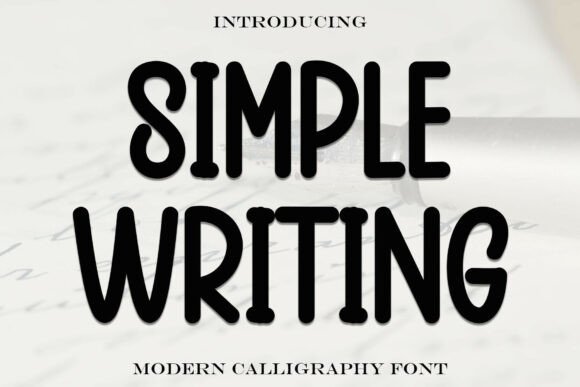
Simplewriting is a handwritten display font that mimics natural handwriting with gentle curves and a rhythmic flow. Unlike rigid sans-serif or formal serif fonts, it introduces a sense of intimacy and approachability. This makes it particularly effective in contexts where emotional connection is key—such as wedding invitations, personal branding, or boutique marketing materials.
- Natural rhythm enhances readability in short-form content
- Soft curves evoke a sense of warmth and trust
- Handwritten aesthetic adds authenticity to digital communications
Strategic Use of Simplewriting in Branding and Marketing
Typography plays a subtle but powerful role in brand positioning. When used intentionally, Simplewriting can reinforce a brand’s personality—especially for businesses that want to be seen as warm, creative, or customer-centric. Consider lifestyle brands, artisanal product lines, or service providers who rely on personal connection. In these cases, a font like Simplewriting can support the brand narrative without overshadowing the message.
Use Cases Where Simplewriting Adds Value
- Wedding stationery: The romantic, elegant curves align perfectly with the tone of formal celebrations.
- Handmade or boutique branding: Supports a personal, artisanal identity that resonates with conscious consumers.
- Personal blogs and newsletters: Helps establish a conversational, relatable voice in digital communication.
- Promotional materials for wellness or creative industries: Enhances the perception of care and intentionality.
Planning and Implementation: How to Use Simplewriting Intentionally
While Simplewriting offers aesthetic appeal, it should be used with purpose. Overuse or improper application can dilute its impact or create visual clutter. Here are some practical considerations for incorporating this font into your design strategy:
- Limit usage to key elements: Use it for headlines, quotes, or call-to-action buttons rather than long paragraphs.
- Pair with complementary fonts: Combine with clean sans-serif or serif fonts to maintain visual balance and readability.
- Align with brand tone: Ensure the font supports your brand’s personality and target audience expectations.
- Test across platforms: Confirm legibility on both digital and print formats, especially at smaller sizes.
When Simplewriting Works Best—and When It Doesn’t
The strength of Simplewriting lies in its ability to evoke emotion and warmth. However, it may not be suitable for formal, technical, or highly functional contexts where clarity and precision are paramount. For instance, financial reports, legal documents, or user interface elements often require more structured typefaces.
Consider the following before using Simplewriting:
- Message intent: Is the goal to inform or to connect emotionally?
- Medium: Will the font render clearly on screen and in print?
- Target audience: Does the aesthetic appeal align with the preferences of your readers?
Long-Term Strategic Value of Thoughtful Typography
Choosing the right typography isn’t just about aesthetics—it’s about reinforcing your brand’s identity and enhancing communication effectiveness over time. When used consistently and intentionally, Simplewriting can become a recognizable part of your visual language. This builds familiarity and trust, which are essential for long-term audience engagement.
However, typography should always support your broader communication strategy. If your messaging evolves or your audience changes, your design choices—including font selection—should reflect that evolution. This ensures that your brand remains relevant and resonant.
Common Pitfalls to Avoid with Simplewriting
One of the most common mistakes when using Simplewriting is treating it as a decorative element without considering its strategic function. Here are some pitfalls to avoid:
- Overuse: Applying the font across multiple design elements can reduce its impact and make your layout feel unprofessional.
- Misalignment with brand tone: If your brand is modern, minimalist, or corporate, this font may clash with your overall aesthetic.
- Lack of contrast: Failing to pair it with a contrasting font can lead to visual fatigue and poor readability.
- Neglecting accessibility: Always ensure that text remains legible for all users, including those with visual impairments.
Integrating Simplewriting into Your Creative Workflow
For designers, marketers, and small business owners, integrating Simplewriting into your workflow requires a balance of creativity and strategy. Start by identifying where emotional resonance can enhance your message—such as in a brand tagline, customer testimonial, or event invitation.
Once you’ve identified the right use case, test the font in various contexts. Print a sample, view it on different screens, and gather feedback from your team or audience. This helps ensure that the font supports both your visual goals and your communication objectives.
Final Thoughts: Typography as a Strategic Decision
In a world where attention spans are short and visual content dominates, typography is a powerful tool for making meaningful connections. Simplewriting offers a unique opportunity to infuse warmth, elegance, and authenticity into your designs. But like any creative choice, it works best when guided by intention, context, and strategic thinking.
Whether you're crafting a brand identity, designing promotional materials, or creating digital content, consider how typography contributes to your long-term goals. When used thoughtfully, Simplewriting can do more than look beautiful—it can help you communicate more effectively, build stronger relationships, and achieve better results over time.