Story Line Font: A Versatile Choice for Modern, Laid-Back Design
When it comes to choosing the right font for a design project, the balance between personality and readability is key. Story Line steps in as a perfect solution for designers looking to add a relaxed, approachable feel without sacrificing clarity. This clean, casual display font carries a modern edge that makes it ideal for a wide range of creative applications—from branding and packaging to posters and digital headlines.
What Makes Story Line Stand Out?
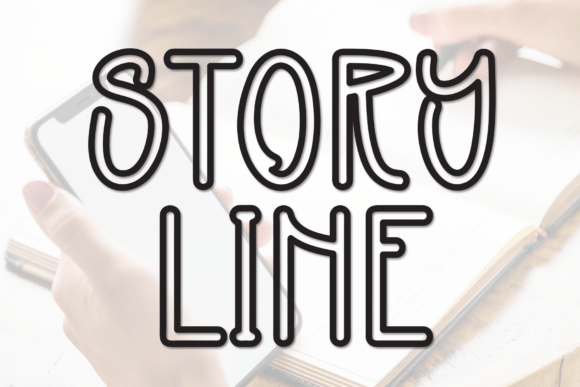
At its core, Story Line is designed to be both expressive and easy to read. Its open letterforms and balanced structure ensure legibility even at a glance, while its subtle playfulness adds warmth and charm. Unlike overly stylized fonts that can distract or overwhelm, Story Line maintains a neat appearance that feels intentional and versatile.
It’s this combination of clean design and personality that makes Story Line a go-to choice for creatives who want to communicate authenticity and modernity in a visually engaging way.
Real-World Uses for Story Line
Story Line shines brightest in environments where approachability and modern aesthetics matter. Here are a few practical examples of how it can be used effectively:
- Branding for lifestyle brands: Whether it's a boutique coffee shop, a wellness studio, or a casual clothing line, Story Line helps create a brand identity that feels friendly and current.
- Packaging design: From artisanal food products to handmade soaps, this font adds a personal, handcrafted touch that appeals to consumers looking for authenticity.
- Event posters and social media graphics: Story Line works well for casual events like local markets, music festivals, or community workshops, where the tone is informal but the message needs to remain clear.
- Editorial design: In digital or print magazines focusing on lifestyle, travel, or culture, Story Line can be used for headlines that feel fresh and inviting without being distracting.
How Different Users Benefit from Story Line
One of the great things about Story Line is its adaptability across different design needs and user types:
- Freelance designers: For those working with small businesses or startups, Story Line offers a polished yet personable look that can elevate a client’s visual identity quickly and affordably.
- Marketing teams: In campaigns that aim to connect emotionally with a younger or more casual audience, Story Line can help deliver a tone that feels authentic and relatable.
- DIY creators and indie entrepreneurs: Whether you're designing your own product labels or creating social media content, Story Line provides a professional finish that’s easy to work with, even for those without formal design training.
- Web designers: When used in web headers or hero sections, Story Line brings a modern, user-friendly vibe that complements clean, minimal layouts without feeling cold or impersonal.
Industries That Can Embrace Story Line
Story Line’s flexibility allows it to blend seamlessly into a variety of sectors:
- Fashion and lifestyle: Especially for casual, streetwear, or sustainable fashion brands that want to project a sense of ease and individuality.
- Food and beverage: Cafés, bakeries, and craft breweries often benefit from Story Line’s warm, inviting appearance on menus, packaging, and signage.
- Wellness and fitness: Yoga studios, meditation apps, and holistic health services can use the font to convey calm and clarity.
- Education and children’s content: While not a kid’s font per se, Story Line’s openness and clarity make it suitable for educational materials aimed at younger audiences or informal learning platforms.
Considerations Before Using Story Line
While Story Line is incredibly versatile, there are a few practical considerations to keep in mind before incorporating it into your design:
- Use case matters: Story Line is best suited for display use rather than long-form body text. It works beautifully in headlines and titles but may not be ideal for large blocks of content.
- Pairing with other fonts: To maintain visual harmony, pair Story Line with clean sans-serif or serif fonts that provide contrast without clashing. Avoid pairing it with other overly decorative fonts that may compete for attention.
- Color and background: Because of its light structure, Story Line works best on solid or minimally textured backgrounds. Avoid using it on busy or low-contrast designs where it may become hard to read.
- Brand tone alignment: If your brand voice is formal, corporate, or luxury-focused, Story Line might not be the best fit. However, for brands that aim to feel human, modern, and accessible, it’s a strong contender.
Strengths and Limitations of Story Line
Like any font, Story Line has its advantages and potential drawbacks depending on the context in which it's used.
Strengths:
- Highly readable in display sizes
- Approachable and modern aesthetic
- Works well across print and digital formats
- Easy to integrate into both minimalist and playful designs
Limitations:
- May feel too casual for formal or luxury applications
- Not ideal for long-form body copy
- May require thoughtful spacing and alignment to maintain visual balance
Final Thoughts on Choosing Story Line
Story Line is more than just a font—it's a design tool that bridges the gap between clarity and character. Whether you're crafting a brand new logo or designing a promotional poster, it brings a sense of warmth and modernity that resonates with today’s audiences. It’s especially valuable for designers and businesses that want to appear friendly, current, and trustworthy without sacrificing professionalism.
Before diving in, take a moment to consider how Story Line fits within your overall design strategy. When used thoughtfully, it can elevate your visual communication and help your message land with just the right tone—modern, but not trendy; casual, but never careless.