Mubarak: A Modern Islamic Font for Elegant Design
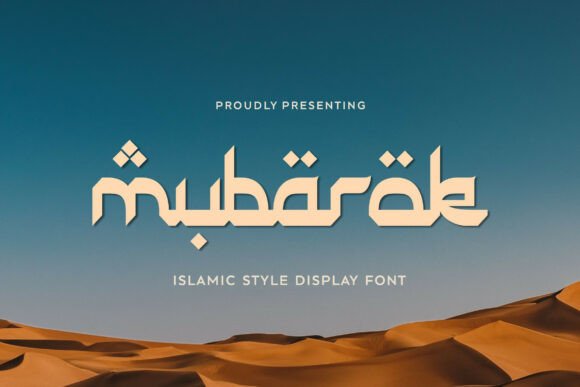
When it comes to choosing a font that reflects both cultural depth and modern aesthetics, Mubarak stands out. This unique typeface combines the geometric precision of contemporary design with the flowing elegance of traditional Arabic calligraphy. Whether you're crafting a poster for Ramadan, designing packaging for halal products, or creating social media content with a Middle Eastern flair, Mubarak brings a refined visual language to your work.
What Makes Mubarak Special?
At first glance, Mubarak captures attention with its bold yet graceful strokes. Unlike many modern fonts that lean heavily toward minimalism, Mubarak maintains a strong connection to Islamic calligraphic traditions. Its letters are carefully structured to balance geometric clarity with the soft curves of classical Arabic script. This fusion makes it versatile for both digital and print applications, especially when you want to evoke a sense of cultural richness without appearing outdated.
Designers often choose Mubarak for its readability and visual impact. It’s not overly ornate, which means it works well in headlines, banners, and branding materials where clarity is key. The font’s structure allows for smooth scaling, so it looks just as sharp on a mobile screen as it does on a printed poster.
Why Use Mubarak in Your Projects?
If you're creating content that reflects Islamic culture or Middle Eastern identity, Mubarak offers a dignified and authentic visual tone. It's especially effective for seasonal campaigns like Eid and Ramadan, where design plays a big role in connecting with audiences. Whether you're a small business owner launching a halal food brand or a blogger sharing travel experiences in the Middle East, this font helps you communicate with both style and substance.
- Brand Identity: Use Mubarak in logos and packaging for halal products to convey authenticity and elegance.
- Editorial Design: Its strong presence works well in magazine headlines, book covers, and digital banners.
- Event Invitations: Perfect for weddings, community events, or religious gatherings that call for a refined aesthetic.
- Social Media: Enhance your Instagram stories, Facebook posts, or YouTube thumbnails with a touch of cultural flair.
Where Can You Apply Mubarak?
Mubarak is more than just a decorative font—it's a practical tool for designers, marketers, and creators across different industries. Here are a few real-world applications:
- Ramadan Campaigns: From digital banners to promotional flyers, Mubarak adds a meaningful visual layer to your messaging.
- Halal Food Branding: Whether it's a spice label or a restaurant menu, this font brings warmth and cultural relevance to food packaging.
- Travel and Tourism: Promote Middle Eastern destinations with a font that reflects the region’s heritage and modernity.
- Artistic Projects: Use Mubarak in posters, digital art, or typography-based illustrations that celebrate Islamic culture.
For educators and content creators, Mubarak can also enhance presentations, infographics, and educational materials that explore Islamic history, language, or traditions. Its clear structure ensures that text remains legible even in fast-paced digital environments like video thumbnails or website headers.
Things to Consider Before Using Mubarak
While Mubarak is a versatile font, it's important to use it thoughtfully. Since it carries cultural and religious associations, it may not be suitable for every context. Always consider the message you're conveying and whether the font aligns with your brand or project's tone.
Also, keep in mind that not all platforms or software support Arabic-style fonts equally. If you're using Mubarak in digital content, test how it appears across devices and browsers to ensure consistency. For print projects, confirm that your printer supports the font’s special characters and ligatures for the best results.
Getting Started with Mubarak
If you're new to using culturally inspired fonts, Mubarak is a great place to begin. Many online design tools like Canva, Adobe Express, and Figma support it, making it easy to integrate into your workflow. For more advanced users, installing Mubarak as a system font opens up even more creative possibilities in software like Photoshop, Illustrator, and InDesign.
When pairing Mubarak with other fonts, opt for clean sans-serif or modern serif typefaces to maintain a balanced visual hierarchy. Avoid combining it with too many decorative fonts, as this can create clutter and distract from your message.
Final Thoughts
Mubarak is more than just a font—it's a design choice that reflects respect for tradition while embracing modern aesthetics. Whether you're creating a personal project, a business campaign, or an educational resource, Mubarak adds a meaningful visual dimension that resonates with diverse audiences. By understanding its strengths and appropriate use cases, you can elevate your designs with a font that speaks to both heritage and innovation.