Labubu Typeface: A Playful Font for Creative Projects
When it comes to choosing a typeface that stands out while maintaining a sense of fun, the Labubu typeface emerges as a compelling option. Designed with a touch of whimsy, this contemporary font brings a unique personality to creative work without sacrificing readability or usability. Whether you're designing for print, digital media, or merchandise, Labubu offers a balance of charm and practicality that appeals to a wide range of users.
What Sets Labubu Apart?
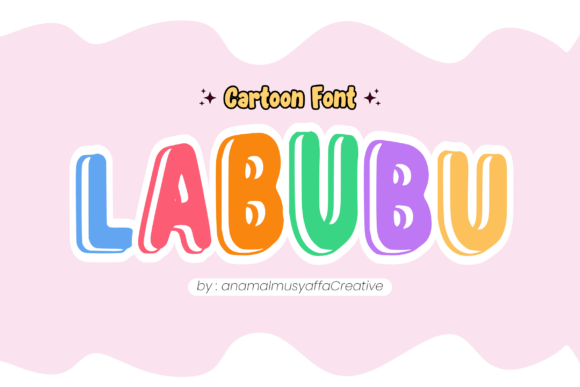
At its core, Labubu is a font that blends modern design sensibilities with a lighthearted aesthetic. Each character is crafted to feel approachable and expressive, making it especially well-suited for projects that aim to evoke joy or a sense of nostalgia. Unlike more rigid or formal fonts, Labubu's rounded edges and slightly irregular forms give it a handcrafted, organic feel.
One of the most notable features of Labubu is its versatility. It works well across a variety of applications, from branding materials to sublimation printing on products like mugs, t-shirts, and tote bags. This adaptability makes it a go-to choice for designers who want a font that feels both current and timeless in its appeal.
How Labubu Compares to Similar Fonts
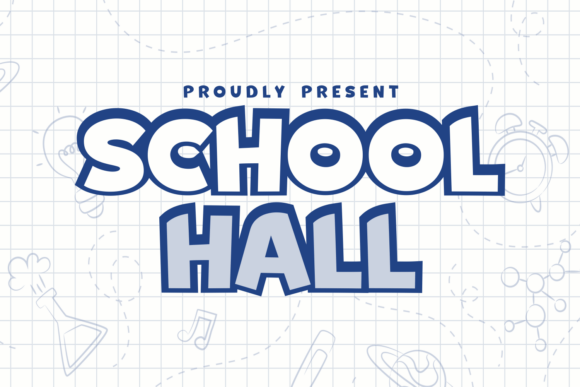
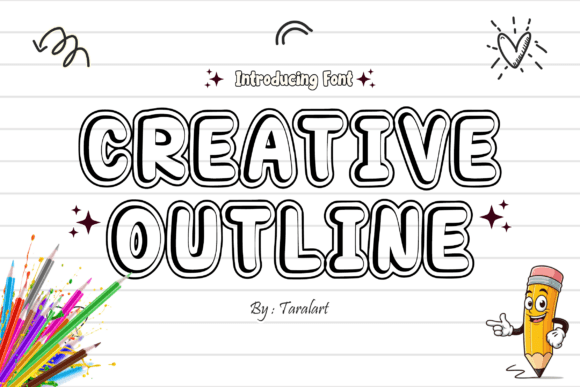
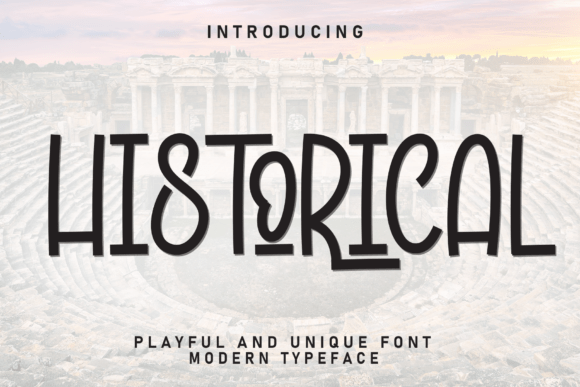
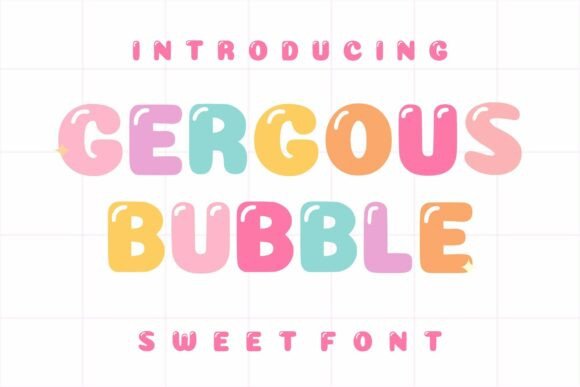
In the landscape of playful, modern typefaces, Labubu holds its own against other popular options. While many fonts aim for a similar charm, Labubu distinguishes itself through its balance of character personality and legibility. Some fonts in this category lean heavily into stylization, which can make them less suitable for longer text blocks or smaller sizes. Labubu, by contrast, maintains clarity even when used in body copy or at reduced sizes.
Compared to more geometric or minimalist fonts, Labubu introduces a sense of warmth and individuality. It's not as stark or clinical as many sans-serif alternatives, yet it avoids the overly decorative qualities that can limit usability. This middle-ground approach makes it a smart choice for those who want a font that's expressive but not overwhelming.
Strengths and Ideal Use Cases
Labubu shines in environments where a friendly, engaging tone is essential. It's particularly effective for:
- Comic book titles and character dialogue
- Children's book layouts and illustrations
- Branding for small businesses with a playful identity
- Sublimation and print-on-demand products
- Animations and motion graphics that require a whimsical tone
Designers working on creative projects that benefit from a hand-drawn aesthetic will find Labubu especially useful. Its character set is robust, supporting multiple languages and special glyphs, which adds to its appeal for international projects or those requiring typographic variety.
Tradeoffs and Limitations
While Labubu has many strengths, it's not universally suited for every design scenario. Its playful nature may not align with more serious or formal contexts. For example, legal documents, academic papers, or corporate reports typically require a more restrained typographic style. In such cases, serif or neutral sans-serif fonts would be a more appropriate choice.
Additionally, while Labubu is highly readable at moderate sizes, using it in very small text—such as footnotes or captions—can reduce legibility due to its stylistic flourishes. Designers should consider these factors when integrating Labubu into multi-layered layouts or mixed-font compositions.
When to Choose Labubu—and When to Look Elsewhere
If your project calls for a typeface that conveys personality without compromising usability, Labubu is a strong contender. It's especially effective when you're aiming to create a connection with your audience through visual warmth and approachability. Whether you're designing a greeting card line, a children's app, or a boutique logo, Labubu can help set the right emotional tone.
However, if your design requires a more neutral or authoritative presence, it may be worth exploring other typefaces. For instance, if you're designing a financial report or a medical brochure, a clean, professional font will likely serve your message better. The key is to match the font's personality with the project's goals and audience expectations.
Practical Examples and Comparisons
Imagine you're creating a series of illustrated quote posters for social media. Using Labubu could enhance the emotional resonance of the quotes, making them feel more personal and relatable. Alternatively, if you're designing a minimalist tech startup website, a more streamlined typeface might better reflect the brand's innovation and precision.
Another example is in product design. Labubu integrates seamlessly with sublimation printing, making it a great fit for custom mugs or apparel that features short phrases or names. Compared to more angular fonts, Labubu’s rounded forms lend themselves well to fabric and ceramic surfaces, where crispness can sometimes be lost in the transfer process.
In animation and motion graphics, Labubu can add a sense of liveliness to on-screen text. When compared to more rigid fonts, its organic shapes can better complement hand-drawn visuals or cartoon-style animations, helping maintain a cohesive aesthetic across visual elements.
Making the Right Choice
Selecting the right typeface is about more than just aesthetics—it's about communication. Labubu offers a compelling blend of style and functionality that makes it a standout in its category. By understanding its strengths and limitations, designers can make informed decisions about when and how to use it effectively.
Ultimately, the choice of a typeface should reflect the tone, purpose, and audience of the project. For those seeking a font that brings a sense of joy and individuality to their work, Labubu is a thoughtful, well-crafted option worth exploring.