Historical: A Playful Font for Creative Projects
If you're looking for a font that adds a relaxed and imaginative touch to your design work, Historical might be the perfect choice. This casual display font stands out with its bold and approachable letterforms, making it ideal for a variety of visual projects. Whether you're designing a poster, branding materials, or headlines, Historical brings a sense of fun and spontaneity that can elevate your creative expression.
Understanding the Style of Historical
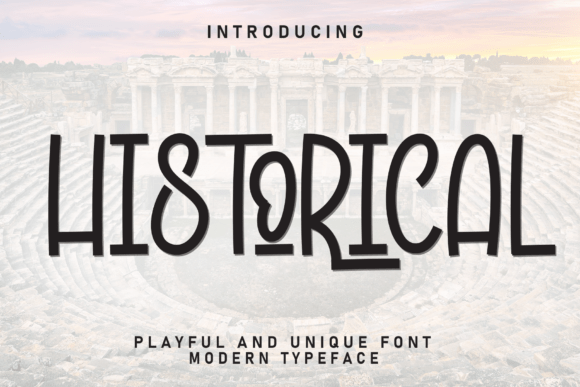
Historical is not your typical serif or sans-serif font. It falls into the category of display fonts, which are specifically designed to catch attention rather than be used for long blocks of text. The font's character is defined by its exaggerated shapes and a slightly irregular rhythm that mimics hand-drawn lettering. This gives it a unique charm that feels both nostalgic and fresh.
One of the most notable features of Historical is its boldness. Even at smaller sizes, the font maintains clarity, which is essential when used for titles or short text elements. Its wide spacing and rounded edges add to its friendly and open appearance, making it feel welcoming to viewers of all ages.
Who Can Benefit from Using Historical?
- Graphic designers looking to add personality to their layouts
- Brand creators wanting to establish a playful and memorable identity
- Marketing professionals crafting engaging posters or social media visuals
- Event planners designing invitations or promotional materials
Because of its expressive nature, Historical is especially well-suited for industries that thrive on creativity and a sense of fun. Think children's products, lifestyle brands, or entertainment-related content.
Where to Use Historical Effectively
While Historical shines in certain applications, it's important to understand where it works best. Here are some common use cases:
- Headlines and Titles: The font's bold structure makes it perfect for grabbing attention at the top of a webpage, article, or poster.
- Logos and Branding: Brands aiming for a casual and approachable image can use Historical to create memorable logos or taglines.
- Promotional Materials: From flyers to social media banners, Historical adds visual flair that helps your message stand out.
- Print-on-Demand Products: T-shirts, mugs, and stickers often benefit from a playful font like Historical to create eye-catching designs.
Real-World Examples of Historical in Action
Let’s look at a few practical examples where Historical can make a difference:
- Children’s Book Covers: The font’s whimsical style aligns perfectly with stories meant for young readers.
- Festival Posters: Whether it's a music event or a local fair, Historical can convey excitement and creativity.
- Small Business Branding: A local bakery or boutique might use Historical to reflect a warm and friendly brand personality.
Strengths and Considerations When Using Historical
Like any design element, Historical comes with its own set of advantages and limitations. Understanding these can help you decide if it’s the right fit for your project.
Strengths:
- Highly expressive and visually engaging
- Easy to read in short bursts
- Versatile for both digital and print formats
- Works well with minimalist layouts to create contrast
Considerations:
- Not ideal for long paragraphs or body text due to its decorative nature
- May not convey professionalism in formal or corporate settings
- Requires thoughtful pairing with other fonts to maintain balance
Pairing Historical with Complementary Fonts
To make the most of Historical, it's often best to pair it with a more neutral font that can carry the rest of your content. Here are some effective combinations:
- Sans-serif fonts like Montserrat or Open Sans for clean, modern contrast
- Serif fonts like Merriweather for a classic and elegant balance
- Handwritten fonts for a more cohesive playful theme, though use with caution to avoid visual clutter
When pairing, always test how the fonts work together in different sizes and contexts to ensure readability and visual harmony.
Setting Realistic Expectations
It's important to recognize that Historical is not a one-size-fits-all font. Its strength lies in its ability to stand out, but that can also be a drawback if used inappropriately. For example, using Historical for a legal document or technical manual would likely confuse the reader and undermine the document’s credibility.
Instead, reserve this font for situations where creativity and visual impact are the priority. When used correctly, it can enhance your design and make your message more memorable.
Evaluating Suitability for Your Project
Before choosing Historical, ask yourself the following questions:
- Is the goal of this project to convey professionalism or playfulness?
- Will the font be used for headlines or body text?
- Does the tone of the font match the brand or message I'm trying to communicate?
- Am I pairing it with a complementary font that supports readability?
If your answers align with the playful and expressive nature of Historical, then it’s worth considering. Otherwise, you may want to explore other font styles that better suit your needs.
Conclusion
In summary, Historical is a bold and expressive font that brings a relaxed and imaginative energy to creative projects. Its unique design makes it ideal for headlines, branding, and promotional materials where visual appeal is key. While it may not be suitable for every situation, when used thoughtfully, Historical can add a memorable touch to your work. Whether you're a designer, marketer, or small business owner, exploring the possibilities of this font could open up new avenues for creative expression.