Doodlegrafity Regular: A Playful Font with Personality (And How to Use It Right)
If you’ve ever browsed through a font marketplace and paused at a typeface that just looked like fun, you might have already seen Doodlegrafity Regular. This whimsical display font is more than just a pretty design—it’s a powerful tool for creators aiming to inject charm and personality into their work. But like any creative asset, using it well requires understanding its strengths, limitations, and the common pitfalls that can dull its impact.
What Makes Doodlegrafity Regular Stand Out?
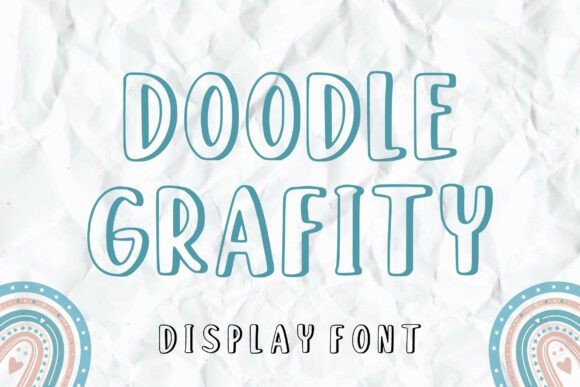
Doodlegrafity Regular is a hand-drawn, doodle-style font designed to feel approachable and lively. Its rounded edges, irregular strokes, and playful spacing evoke a sense of childhood wonder, making it ideal for projects targeting younger audiences or aiming to feel lighthearted and imaginative. Whether you're designing a birthday invitation, a kids' book cover, or a cheerful social media graphic, this font can help set the tone before a single word is read.
Its versatility shines when paired with vibrant or pastel color palettes. A bright pink Doodlegrafity headline on a mint background, for example, can instantly elevate the mood of a design. But don’t be fooled—this font isn’t only for children’s content. It also works beautifully in branding for small businesses that want to convey warmth and creativity, like boutique bakeries, toy shops, or wellness studios.
Common Mistakes When Choosing or Using Doodlegrafity Regular
While Doodlegrafity Regular is a joy to work with, there are a few common missteps that can undermine its effectiveness:
- Overusing it in formal or professional contexts. This font is inherently playful. Using it in corporate reports or legal documents can confuse the tone and reduce credibility.
- Ignoring licensing restrictions. Some versions of Doodlegrafity Regular are free for personal use but require a license for commercial projects. Failing to verify this can lead to legal issues down the line.
- Pairing it with similarly styled fonts. Because of its unique character, combining it with other decorative fonts can make designs feel cluttered and hard to read.
- Not checking legibility at small sizes. This font is best used for headlines or short bursts of text. At smaller sizes, some characters may become difficult to distinguish.
How These Mistakes Can Affect Your Work
Misusing Doodlegrafity Regular doesn’t just look off—it can have real consequences for your project. For example, using it in a professional setting might cause your audience to take your message less seriously. Or, if you accidentally use it without the proper license, you could face unexpected costs or legal trouble.
Legibility issues can also impact user experience. Imagine a parent trying to read event details on a poster where the font is too small or stylized. They might give up and miss important information. Similarly, poor font pairings can make a design feel amateurish or unbalanced.
Better Approaches to Get the Most From Doodlegrafity Regular
Thankfully, these issues are easy to avoid with a bit of planning and attention to detail. Here are some practical tips:
- Use it where it belongs. Stick to designs that benefit from a whimsical or youthful tone. Think children’s books, greeting cards, branding for creative businesses, or website headers that need a splash of personality.
- Always check the license. Before downloading, confirm whether the font is free for commercial use or if you need to purchase a license. Many font platforms clearly state these terms—don’t skip this step.
- Pair it wisely. Combine Doodlegrafity Regular with clean, simple sans-serif fonts like Open Sans or Lato to maintain visual balance. This contrast makes your design more readable and aesthetically pleasing.
- Test it at different sizes. Before finalizing your layout, preview the font in various sizes. If it starts to lose clarity below 18pt, consider using it only for titles or large captions.
What to Check Before Downloading or Buying Doodlegrafity Regular
Before you commit to using Doodlegrafity Regular, here are a few key factors to verify:
- Font format: Make sure it’s compatible with your design software. Most fonts come in TTF or OTF formats, which are widely supported.
- Character set: Check if it includes uppercase, lowercase, numbers, and punctuation. Some decorative fonts may lack certain characters.
- Alternate glyphs: Some versions offer alternate letters or ligatures that can add variety to your design. Look for these features if you want more flexibility.
- Customer reviews: If you’re purchasing from a marketplace, read user feedback to see how others have fared with the font’s quality and usability.
Final Thoughts: Let Doodlegrafity Regular Enhance, Not Overshadow
Doodlegrafity Regular is a delightful font that brings a sense of joy and creativity to any design. But like any tool, it works best when used with intention. By avoiding common mistakes and making thoughtful design choices, you can ensure that your use of this font enhances your message rather than distracts from it.
Whether you're a blogger designing a new logo, a teacher creating classroom materials, or a small business owner building your brand, Doodlegrafity Regular can be a charming addition to your toolkit—just remember to pair it wisely, size it appropriately, and always double-check your license. With those considerations in mind, you’re ready to make your next project as fun as it is functional.