Bone Brush: A Cheerful Yet Spooky Font for Diverse Design Projects
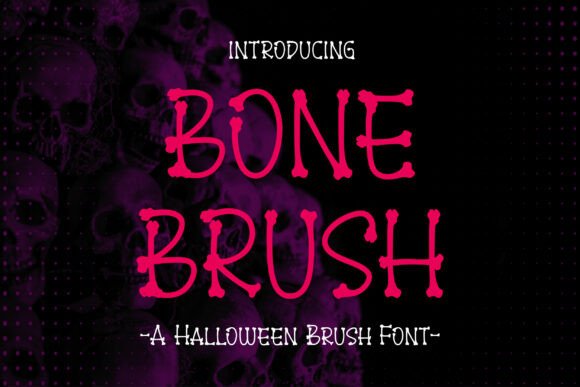
Bone Brush is a distinctive typeface that blends a playful aesthetic with a spooky undertone, making it a versatile option for designers seeking to evoke a haunting yet engaging atmosphere. Unlike more rigid or formal fonts, Bone Brush introduces a sense of whimsy while maintaining a clear thematic identity. Its brush-style strokes and slightly irregular forms give it a handcrafted feel, allowing it to stand out in both digital and print media.
What Makes Bone Brush Unique?
At its core, Bone Brush distinguishes itself through its ability to balance cheerfulness with a spooky aesthetic. This duality makes it more adaptable than many thematic fonts that lean heavily into one mood. The font's textured edges and slightly uneven baseline contribute to its organic, hand-drawn appearance, which can enhance the visual appeal of Halloween-themed designs, event posters, or even branding materials with a darkly playful tone.
Designers often appreciate Bone Brush for its legibility despite its decorative nature. While many novelty fonts sacrifice readability for style, Bone Brush maintains a good balance, especially at larger sizes. This makes it suitable not only for headlines and titles but also for short-form text in promotional materials or themed branding.
Comparing Bone Brush with Similar Fonts
When evaluating Bone Brush against other thematic or decorative fonts, it's important to consider both aesthetic tone and functional application. Many Halloween-inspired fonts lean heavily into jagged, sharp edges or overly stylized letterforms that can become difficult to read in longer text blocks. Bone Brush, by contrast, uses a more fluid, brush-painted style that retains clarity without losing thematic appeal.
Compared to fonts like Chiller or Haunting Attraction, which are more overtly horror-themed, Bone Brush offers a lighter, more approachable vibe. This makes it particularly useful in family-friendly Halloween designs, pumpkin patch promotions, or themed merchandise where a spooky aesthetic is desired but not necessarily frightening. On the other hand, if the goal is to create a genuinely eerie or horror-inspired design, some more intense fonts may be a better fit.
Strengths and Tradeoffs of Bone Brush
One of the primary strengths of Bone Brush is its adaptability across design contexts. It works well in both print and digital formats, making it a practical choice for multi-platform branding. Whether used in a logo, a website headline, or printed on merchandise like t-shirts and posters, Bone Brush maintains its visual appeal and thematic consistency.
- Versatile application: Works well for logos, t-shirts, posters, and digital headers.
- Approachable spooky style: Strikes a balance between fun and eerie, making it suitable for broader audiences.
- Legible at larger sizes: Maintains readability despite its decorative brush-style appearance.
However, Bone Brush does have its limitations. Due to its textured and stylized nature, it may not be ideal for long-form text or small-size applications where clarity is essential. Additionally, while its playful tone is a strength in many contexts, it may not convey the level of seriousness or elegance required for more formal or upscale branding.
Best Fit Situations for Bone Brush
Bone Brush shines in design contexts where a thematic yet readable font is needed. It’s particularly effective for:
- Halloween promotions: Flyers, banners, and social media graphics benefit from its festive yet readable style.
- Themed merchandise: T-shirts, mugs, and stickers with a spooky or playful aesthetic.
- Event branding: Music festivals, haunted house attractions, or themed parties where a consistent visual identity is key.
- Website headers: Adds character to digital platforms without compromising legibility.
Designers working on projects that require a consistent yet fun tone will find Bone Brush particularly useful. It’s especially effective when paired with complementary fonts for body text, allowing it to serve as a strong visual anchor without overwhelming the overall design.
When to Consider Alternatives
While Bone Brush offers a compelling blend of style and readability, there are situations where another font may be more appropriate. For example, if the design requires a more elegant or minimalist tone, a sans-serif or serif font may be a better match. Similarly, in cases where a more intense or horror-focused aesthetic is needed, fonts with sharper edges or more dramatic stylization might be preferable.
Additionally, Bone Brush may not be the best option for accessibility-focused designs where clarity and ease of reading are paramount. In such cases, more neutral or high-contrast fonts may offer better performance across different audiences and viewing conditions.
Practical Examples and Use Cases
One practical application of Bone Brush is in seasonal branding for retail or entertainment businesses. For instance, a pumpkin patch or haunted hayride attraction could use Bone Brush in signage, promotional posters, and online advertisements to maintain a consistent and engaging visual theme. The font's playful yet spooky tone reinforces the event's atmosphere without being overly intimidating.
In the realm of music album covers, Bone Brush can contribute to a unique visual identity, especially for genres like punk, gothic rock, or Halloween-themed releases. Its textured appearance adds a tactile quality that enhances the overall design, especially when paired with complementary graphics or background elements.
For digital use, Bone Brush works well in image sliders, promotional banners, and landing page headlines. Its distinct character helps draw attention without being visually overwhelming, making it a practical choice for web designers looking to create memorable user experiences.
Making an Informed Decision
Choosing the right font depends on a variety of factors, including the intended audience, design context, and overall aesthetic goals. Bone Brush offers a unique combination of playfulness and spookiness that sets it apart from more rigid or overly stylized alternatives. Its versatility makes it a strong contender for seasonal promotions, themed branding, and creative merchandise where visual appeal is a priority.
However, as with any design choice, it’s important to evaluate Bone Brush within the broader context of the project. Consider how it interacts with other design elements, whether it aligns with the brand’s tone, and if it meets the functional needs of the intended application. When used thoughtfully, Bone Brush can elevate a design and contribute to a cohesive, engaging visual experience.