Rubber Duck: A Whimsical Comic Font for Playful Design Projects
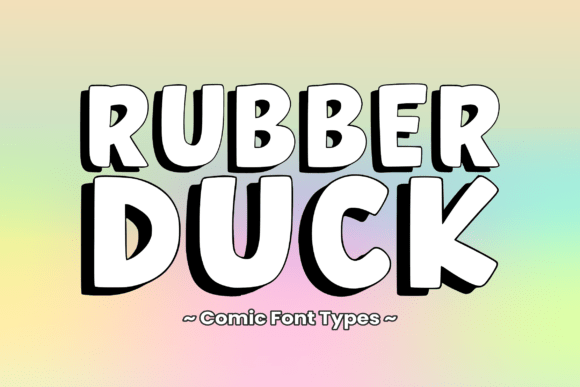
If you're searching for a font that brings a sense of lighthearted charm to your design work, Rubber Duck might be the creative spark you're looking for. This contemporary comic font stands out due to its expressive and distinct character set, making it a versatile option for a variety of design applications. Whether you're crafting merchandise, digital illustrations, or animated content, Rubber Duck offers a unique visual tone that can elevate your project's personality.
What Makes Rubber Duck Unique?
Rubber Duck is designed with a whimsical yet contemporary edge, combining the expressive qualities of hand-drawn lettering with the clarity needed for readable design. Each character in the Rubber Duck font has a distinct personality—some letters may feature exaggerated curves, while others have playful slants or unexpected details. This level of individuality ensures that text set in Rubber Duck doesn't just convey a message but also enhances the emotional tone of the design.
Why Consider Rubber Duck for Your Next Project?
Designers often look for fonts that can communicate tone and emotion without requiring additional visual elements. Rubber Duck achieves this by naturally drawing attention and setting a cheerful, informal mood. This makes it especially appealing for creative professionals working on projects that benefit from a sense of playfulness and approachability.
For example, if you're designing a line of novelty t-shirts, a Rubber Duck font can help reinforce a humorous or quirky message. Similarly, when creating branded merchandise like mugs or tote bags, this font can help your designs stand out while resonating with audiences who appreciate a more casual, expressive aesthetic.
Applications Where Rubber Duck Excels
Rubber Duck shines in contexts where visual appeal and emotional resonance are key. Some of the most effective uses include:
- Comic Titles and Captions: The expressive nature of the font makes it ideal for comic book titles, speech bubbles, and editorial illustrations.
- Merchandise Design: From greeting cards to children's products, Rubber Duck adds a sense of fun and personality to printed goods.
- Animations and Motion Graphics: When designing for animated content, this font can contribute to a lively, engaging visual style.
- Brand Identity for Casual Brands: Brands that aim to project a youthful, energetic image may find Rubber Duck complements their visual identity well.
Considerations and Tradeoffs
While Rubber Duck offers many creative advantages, it's important to evaluate its suitability for your specific project. Because of its stylized appearance, it may not be the best choice for formal or professional contexts. For instance, if you're designing a legal document or a corporate presentation, a more traditional sans-serif or serif font would likely be more appropriate.
Additionally, readability can vary depending on the size and background against which Rubber Duck is used. At smaller sizes, some of the font's more intricate details may become less legible. Designers should test the font in context before finalizing their layouts, especially if clarity is a priority.
When Alternatives Might Be Better
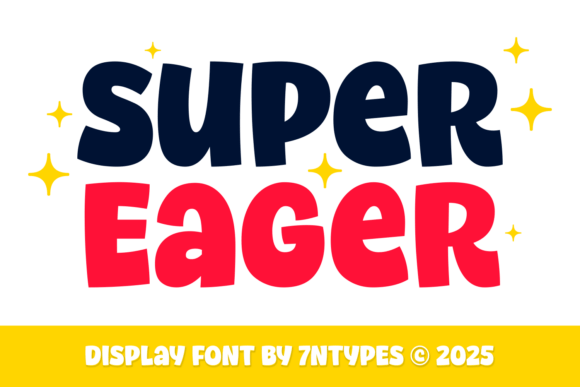
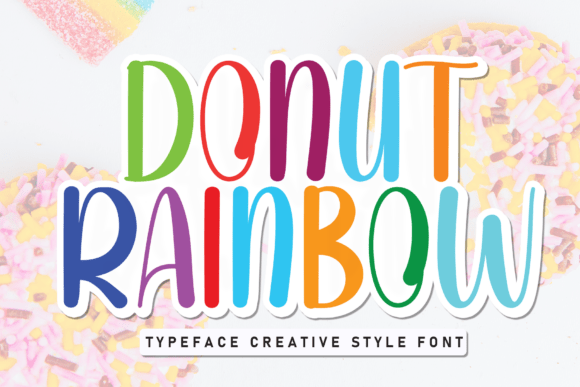
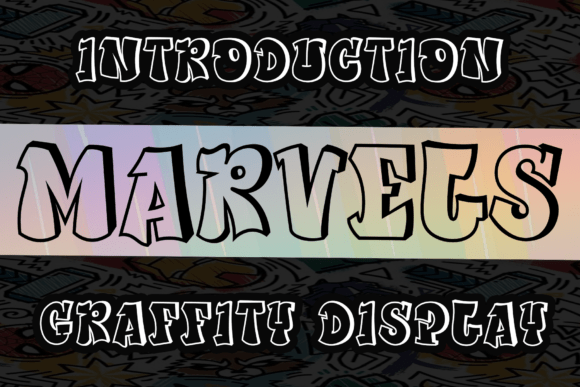
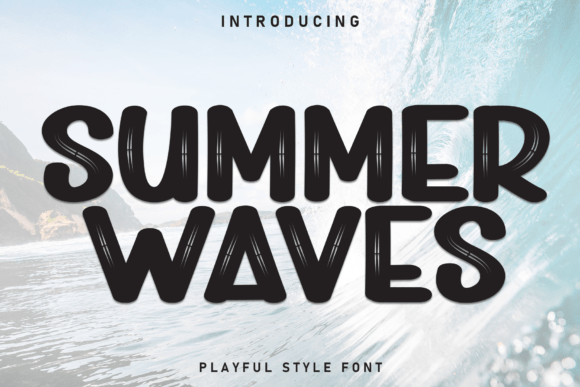
Although Rubber Duck is a strong contender in the whimsical font category, it's not the only option available. Designers who are seeking a similar tone but with variations in style might consider other comic-inspired fonts such as Comic Sans MS, Knewave, or Qwigley. These fonts offer different levels of expressiveness and readability, so choosing the right one depends on the specific design goals and audience expectations.
If your project requires a balance between playfulness and professionalism, you might also explore hybrid fonts that blend casual flair with improved legibility. In some cases, using Rubber Duck for headlines while pairing it with a simpler font for body text can offer the best of both worlds.
Practical Insights for Decision-Making
When evaluating whether Rubber Duck is the right fit for your project, consider the following questions:
- Who is the target audience? If your audience appreciates humor, creativity, or nostalgia, Rubber Duck may resonate well.
- What is the intended tone? This font works best when the message should feel informal, joyful, or imaginative.
- Where will the text appear? Consider the medium—digital, print, or animated—and test the font in that context.
- Is legibility a priority? If so, ensure that Rubber Duck maintains clarity at the intended display size.
By answering these questions thoughtfully, you can determine whether Rubber Duck aligns with your design objectives and enhances the overall user experience.
Final Thoughts
Rubber Duck is more than just a novelty font—it's a creative tool that allows designers to inject personality and emotion into their work. Its expressive characters and contemporary comic style make it a compelling choice for projects that benefit from a playful visual tone. However, like any design element, it should be selected with intention and awareness of its strengths and limitations.
Whether you're designing a vibrant comic book cover, a quirky t-shirt graphic, or an animated explainer video, Rubber Duck offers a unique opportunity to stand out. By understanding its applications, considering alternatives, and testing its performance in context, you can make an informed decision about whether this whimsical font is the right match for your creative vision.