The Timeless Appeal of Dotted Line: A Font That Connects Past and Present
Rediscovering Simplicity Through Typography
Typography is more than just the visual arrangement of text—it's a bridge between eras, a way to communicate emotion, intent, and context. In a world dominated by sleek digital fonts, the Dotted Line typeface stands out as a refreshing reminder of a simpler time. Its unique design, composed of evenly spaced dots forming letters, evokes nostalgia while offering a clean, minimalist aesthetic that works across a wide range of applications.
What Makes Dotted Line Unique?
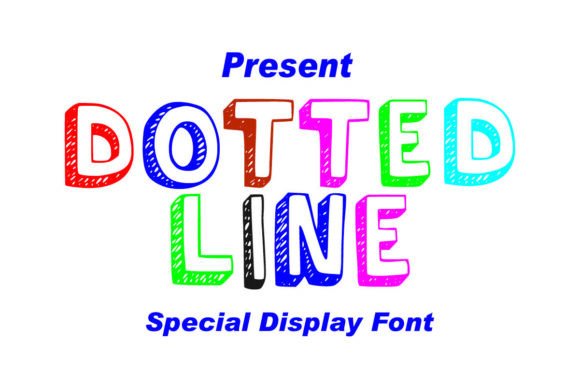
The Dotted Line font is a display font that relies on a series of small, consistent dots to form characters. This structure gives it a distinctive look—somewhere between handwriting and digital design. Unlike solid fonts that emphasize weight and contrast, Dotted Line uses negative space to create legibility and charm. This design choice makes it stand out in both print and digital formats, especially when used in contexts where a softer, friendlier tone is desired.
Why Dotted Line Resonates Across Industries
One of the most compelling aspects of the Dotted Line font is its versatility. It may appear simple at first glance, but its adaptability makes it a valuable tool for designers, educators, marketers, and creators alike. Let's explore how different fields can benefit from incorporating this font into their visual language.
Design and Branding
In branding, typography plays a critical role in shaping perception. Dotted Line offers a subtle yet memorable presence that can help brands communicate authenticity and approachability. It works especially well for boutique businesses, artisanal brands, and lifestyle companies that want to evoke a sense of warmth and personal connection. Whether used in logos, packaging, or social media visuals, this font adds a touch of whimsy without sacrificing professionalism.
Education and Presentation Design
For educators and presenters, clarity and engagement are key. The Dotted Line font can be an excellent choice for slide titles or key points that need to stand out without overwhelming the audience. Its clean, open structure ensures readability, especially when used at larger sizes. Additionally, its nostalgic feel can help make educational content more relatable, particularly for younger audiences or in creative learning environments.
Craft and Creative Writing
Handmade projects, journaling, and creative writing benefit from a font that feels personal and expressive. The Dotted Line typeface, with its hand-drawn appearance, mimics the look of letters formed with a dotted pen or stitch pattern. This makes it ideal for scrapbooking, greeting cards, poetry layouts, and even children's literature. Writers looking to give their work a vintage or whimsical tone often find that Dotted Line enhances the storytelling experience.
Practical Considerations When Using Dotted Line
While Dotted Line offers a unique visual appeal, it’s important to understand its limitations and best practices to ensure it serves its intended purpose effectively.
Readability and Size
Due to its dot-based structure, Dotted Line is best suited for display use rather than long blocks of text. At smaller sizes, the dots can blur together, reducing legibility. For optimal readability, use this font at larger sizes—such as in headings, banners, or short phrases—where the spacing between dots remains distinct and clear.
Color and Background Contrast
Because of its light and airy appearance, Dotted Line performs best when used against solid, high-contrast backgrounds. Light-colored text on a dark background or vice versa helps maintain the clarity of each dot. Avoid using it on busy or textured backgrounds where the individual dots may blend in or become lost in the design.
Pairing with Other Fonts
Font pairing is essential to creating a balanced visual hierarchy. Since Dotted Line is a decorative font, it works best when paired with a clean, sans-serif typeface for body text. For example, combining Dotted Line with a font like Open Sans or Montserrat can create a harmonious design that is both engaging and easy to read.
Real-World Examples of Dotted Line in Action
Seeing how others have used Dotted Line in real-world applications can provide inspiration and insight into its potential uses.
- Event Invitations: Wedding and baby shower invitations often incorporate Dotted Line for a soft, elegant touch that feels both modern and timeless.
- Product Packaging: Artisanal food brands and small-batch cosmetic companies use the font to convey craftsmanship and authenticity on labels and packaging.
- Website Headers: Bloggers and small business owners integrate Dotted Line into their website headers to create a unique visual identity that stands out from the crowd.
- Art and Illustration: Digital artists and illustrators use the font as part of their compositions, often overlaying it on watercolor backgrounds or integrating it into hand-drawn scenes.
Why Dotted Line Fits Into Modern Design Trends
Current design trends increasingly favor minimalism, authenticity, and emotional connection—qualities that Dotted Line embodies. The resurgence of retro aesthetics, analog textures, and human-centered design has created a perfect environment for this font to thrive. Designers are leaning into typography that tells a story and evokes emotion, and Dotted Line does so with quiet elegance.
Minimalism and Emotional Design
Minimalist design focuses on simplicity and clarity, which aligns perfectly with the understated beauty of Dotted Line. While minimalist design often uses clean lines and geometric shapes, adding a font like Dotted Line introduces a human element that can make the design feel more personal and inviting.
Accessibility and Inclusivity
Though not a standard accessibility font, Dotted Line can still contribute to inclusive design when used thoughtfully. Its distinct character shapes and open spacing can aid in visual recognition, especially for users with mild visual impairments. However, it should always be used in combination with more legible fonts for critical information.
Conclusion: A Font That Speaks Volumes Without Saying Much
The Dotted Line font may not be loud or flashy, but its quiet charm and versatility make it a powerful design tool. Whether you're crafting a logo, designing a presentation, or creating a handmade card, this font offers a unique way to connect with your audience. By understanding its strengths and limitations, you can use Dotted Line effectively across a wide range of creative and professional applications, ensuring your message is not only seen but felt.