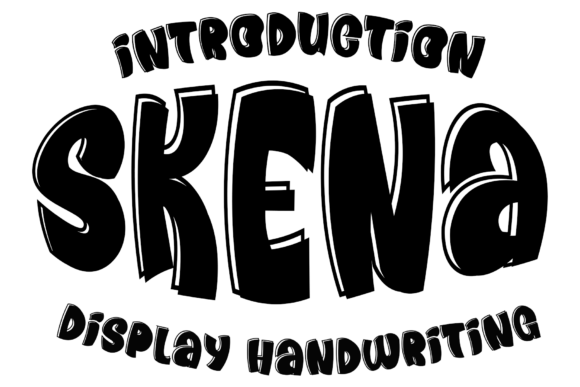
Skena: The Bold Typeface That Commands Attention
Skena isn’t just another font—it’s a visual statement. With its roots in street-style and graffiti culture, Skena delivers a high-octane, rebellious edge that’s hard to ignore. Its chunky letterforms, sharp angles, and tight curves create a bold presence that’s perfect for anyone looking to make a splash in design, branding, or digital art.
What Makes Skena Stand Out?
At first glance, Skena grabs attention with its exaggerated, graffiti-inspired design. The font’s thick strokes and sharp edges are balanced with playful curves, giving it a unique personality that’s both aggressive and fun. What really sets Skena apart is its signature look: a vibrant gradient paired with a strong black outline that enhances its visibility and impact.
This isn’t a font for the background—it’s for the spotlight. Whether it’s on a poster, a skateboard deck, or a digital banner, Skena makes sure your message isn’t just seen, but felt.
When and Where Skena Shines
Designers and creators who want to convey energy, attitude, and authenticity often reach for Skena when they need to connect with a younger, more rebellious audience. Here are some real-world applications where Skena thrives:
- Streetwear and Skate Brands: Skena’s urban roots make it a natural fit for clothing lines and skate brands that want to reflect a bold, youth-driven culture. From t-shirt graphics to brand logos, this font adds instant street cred.
- Music and Hip-Hop Culture: In the world of hip-hop, album covers and concert posters need to be loud and expressive—just like Skena. Its raw aesthetic complements the genre’s visual language, making it a favorite among music marketers and artists.
- Advertising and Promotional Material: Whether it’s a flyer for a pop-up event or a digital ad for a new product launch, Skena ensures your headlines are impossible to scroll past. It’s especially effective when targeting Gen Z and millennial audiences who value authenticity and boldness.
- Art and Digital Illustrations: Artists who work in digital graffiti or illustration often use Skena to integrate text into their visuals. It blends seamlessly with edgy compositions and enhances the overall mood of the piece.
Who Benefits Most From Using Skena?
Skena appeals to a wide variety of users across different industries. Let’s take a closer look at how different professionals can leverage its unique style:
- Graphic Designers: If you’re designing for youth-oriented brands or urban-focused campaigns, Skena gives your work an instant edge. It’s particularly useful when you need to create contrast or highlight a focal point in your layout.
- Brand Managers: For brands trying to break into the streetwear or youth lifestyle space, using Skena in logos, packaging, or promotional materials can help establish a bold and recognizable identity.
- Marketing Teams: In fast-paced digital environments, grabbing attention quickly is key. Skena’s high-impact style makes it ideal for social media headers, banner ads, and video thumbnails where split-second engagement matters.
- Artists and Illustrators: For those who blend typography with visual art, Skena provides a strong typographic backbone that complements graffiti-style murals, digital collages, and experimental layouts.
Practical Considerations Before Using Skena
While Skena is a powerful design tool, it’s not a one-size-fits-all solution. Here are a few things to keep in mind before incorporating it into your next project:
- Readability: Due to its stylized letterforms and tight spacing, Skena works best for short, punchy text like headlines, titles, or slogans. Avoid using it for long blocks of copy where legibility is essential.
- Color Contrast: To maximize its visual punch, pair Skena with high-contrast backgrounds. Light text on a dark background or vice versa ensures it stands out without getting lost.
- Context: Skena carries a strong cultural and stylistic identity. Make sure it aligns with the tone and message of your project. It might not be the best fit for formal, corporate, or traditional branding efforts.
- Customization: While the default gradient and outline are striking, don’t be afraid to tweak Skena to suit your needs. Many design platforms allow for layering, color adjustments, and effects that can enhance or soften its appearance depending on your use case.
Strengths That Set Skena Apart
What makes Skena so effective in the right context is its ability to communicate energy, attitude, and authenticity all at once. Its key strengths include:
- High Visual Impact: Whether it’s on a poster or a website header, Skena demands attention and creates a memorable impression.
- Strong Urban Vibe: Its graffiti-inspired design taps into a cultural aesthetic that resonates with younger audiences and street-style enthusiasts.
- Flexibility in Design: Although bold, Skena can be adapted for different color schemes, textures, and design styles with the right adjustments.
Potential Limitations to Be Aware Of
Despite its many advantages, Skena isn’t without its limitations. Here are a few potential drawbacks to consider:
- Overpowering in Some Contexts: If your design already has a lot going on visually, adding Skena might make it feel cluttered or overwhelming.
- Not Ideal for Formal Use: Because of its street-style origins, Skena doesn’t fit well in professional or corporate environments where more traditional fonts are expected.
- Limited Readability: As mentioned earlier, Skena is best used for short bursts of text. Using it for long paragraphs or detailed descriptions may hinder readability and user experience.
Creative Ways to Use Skena Beyond the Obvious
Once you get comfortable with Skena, you can start pushing the boundaries of how it’s used. Here are a few creative ideas:
- Typography-Based Logos: Turn Skena into a logo by adding textures, layer effects, or custom color gradients that reflect your brand’s personality.
- Watermarks and Background Textures: Use a semi-transparent version of Skena in the background of a design to add depth and visual interest without overpowering the main content.
- Custom Apparel Tags: For fashion designers or boutique owners, Skena can be used in fabric tags or swing tags to add a street-style flair to your packaging.
- Interactive Web Elements: In web design, Skena can be used for call-to-action buttons, animated headlines, or hero sections that need to stand out and engage users immediately.