Scotland Font: Bold Gothic Elegance with a Distressed Twist
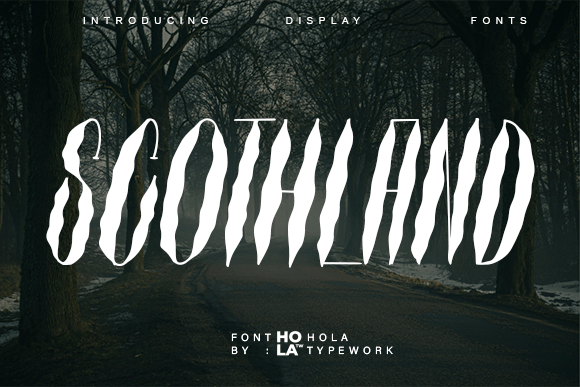
The Scotland Font stands out as a compelling display typeface that merges modern gothic aesthetics with a tactile, weathered finish. Designed for high-impact visual applications, it offers a bold structural presence complemented by subtle wavy line details that evoke a sense of depth and texture. This combination makes it a versatile option for creatives seeking to convey strength, mystery, and elegance in a single typographic form.
What Makes Scotland Font Unique?
At its core, Scotland Font is defined by its bold letterforms and distressed textures, which give it a distinctive visual character. Unlike many standard gothic or sans-serif fonts, it integrates an artfully worn appearance that mimics aged or handcrafted typography. This quality adds a tactile dimension, making it ideal for projects that benefit from a layered, almost narrative-driven aesthetic.
Its design bridges the gap between traditional gothic styles and contemporary digital typography. The font retains legibility despite its decorative elements, which is crucial when using it for headlines, titles, or branding elements where clarity and impact must coexist.
Comparing Scotland Font to Similar Typefaces
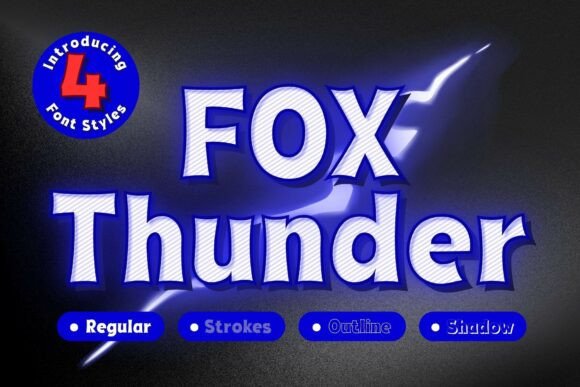
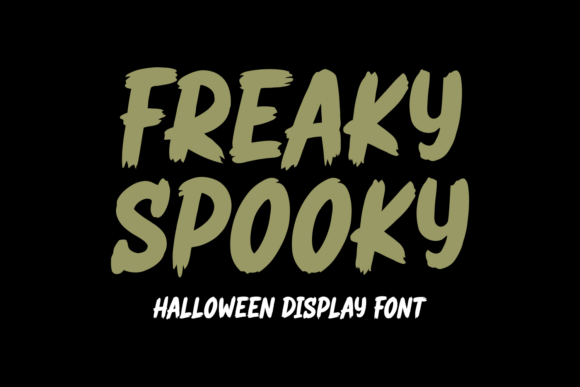
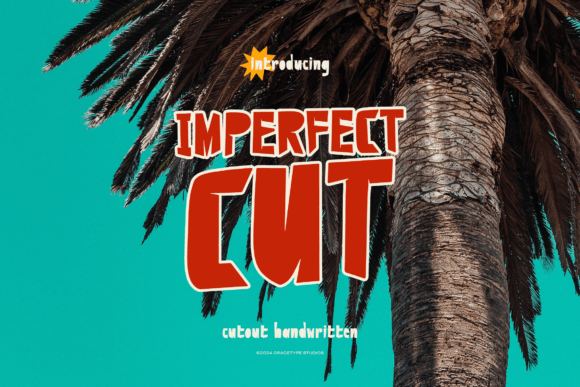
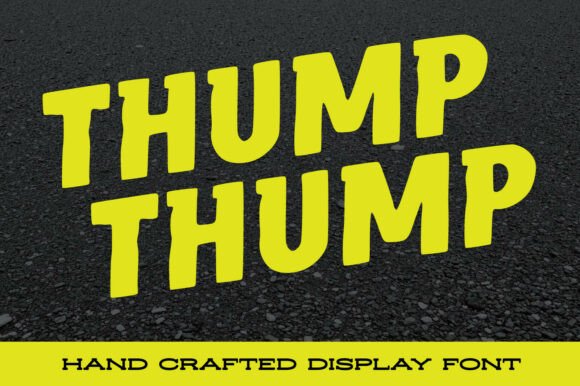
When placed alongside other display fonts, Scotland Font distinguishes itself through its textured edge and dramatic presence. Compared to clean, minimalist sans-serif fonts often used in modern branding, it offers a richer, moodier alternative. It also diverges from purely ornate gothic fonts that may feel too historical or rigid for modern applications.
- Classic Gothic Fonts: Many traditional gothic or blackletter fonts prioritize historical accuracy over readability. Scotland Font, by contrast, balances dramatic flair with modern usability.
- Minimalist Display Fonts: Clean, geometric typefaces often lack the expressive qualities that Scotland Font provides. However, they may be more suitable for designs requiring neutrality or simplicity.
- Handwritten or Script Fonts: These offer a personal, organic feel but may not convey the same strength or dramatic weight as Scotland Font.
Strengths and Best-Use Scenarios
One of the primary strengths of Scotland Font is its ability to command attention. It works exceptionally well in contexts where visual drama and emotional resonance are key. Designers often turn to it for:
- Book Covers: Particularly for genres like dark fantasy, horror, or historical fiction where a bold, mysterious tone is desired.
- Movie Posters: Especially in the horror and thriller categories, where typography plays a critical role in setting the mood.
- Branding Materials: For niche or alternative lifestyle brands that want to project a sense of sophistication with a rugged or unconventional edge.
Its textured appearance also makes it a strong candidate for print media, where the physicality of the font can be more fully appreciated. Digital applications benefit from its clarity at larger sizes, though it may lose some impact when scaled down.
Tradeoffs and Limitations
Despite its visual appeal, Scotland Font is not universally applicable. Its bold, decorative nature can become overwhelming in body text or in designs requiring subtlety. Additionally, the distressed texture may not render consistently across all digital platforms or at lower resolutions.
Another consideration is audience perception. While the font exudes a sense of elegance and strength, it may not be the best fit for brands aiming to project approachability or minimalism. In such cases, a cleaner or more neutral typeface would likely be more effective.
When to Choose Scotland Font
Selecting Scotland Font makes sense when your project demands a strong visual identity that leans into mystery, elegance, or edginess. It's particularly effective when used sparingly—such as for headlines, logos, or key visual elements—rather than as a primary text font.
If your design goals include:
- Creating a dramatic visual impact
- Evoking a sense of history or gothic tradition
- Standing out in a crowded visual space
…then Scotland Font could be a fitting choice.
When to Consider Alternatives
Conversely, if your project requires:
- High readability across small sizes or long-form text
- A modern, clean aesthetic without decorative flourishes
- Broader audience appeal without stylistic extremes
…then exploring more neutral or streamlined typefaces may be more appropriate. Alternatives could include minimalist sans-serif fonts or more traditionally structured serif fonts, depending on the tone you wish to convey.
Practical Examples and Real-World Use
In practice, Scotland Font has been used effectively in the following scenarios:
- A horror film poster that uses the font for the movie title to immediately set a dark, suspenseful tone.
- A gothic fashion brand that incorporates the font into its logo and packaging for a bold, memorable identity.
- A historical fiction novel cover where the font’s textured appearance adds a sense of age and gravitas.
In each case, the font contributes significantly to the overall mood and branding, proving its effectiveness when used thoughtfully and in context.
Final Considerations
Ultimately, choosing Scotland Font is a matter of alignment with your project’s visual and emotional tone. It offers a unique blend of bold structure and textured elegance that few other fonts can replicate. However, like any design element, it should serve the broader goals of the project rather than being selected solely for its aesthetic appeal.
Designers and brand strategists should weigh its strengths against practical considerations such as readability, platform compatibility, and audience expectations. When used appropriately, Scotland Font can elevate a design from ordinary to unforgettable.